
Our Mission
The Animal Care & Use Program supports the University of Michigan community in its pursuit of impactful science to benefit both human and animal health by fostering a culture of excellence and compassion, responsible research conduct, and a shared commitment to upholding the highest animal welfare standards in all aspects of research and instruction.
A Message from Our Leadership
For decades, laboratory animals have been essential to almost every major advancement in human and animal medicine. The University of Michigan (U-M) community is committed to the highest standards of excellent and humane care in the use of these animals in our research and instruction, and we believe that this commitment is central to the rigor and impact of our work.
Our approach goes beyond strict adherence to all required guidelines. In addition, we embrace the principles known as “the three Rs”: reducing the number of animals used to the minimum required for the study, replacing animals with less sentient or non-animal models whenever possible, and refining all practices to provide the best animal welfare possible.
Our Program comprises three units that support the entire U-M community and ensure our collective commitment to the welfare of all animals under our care:
- Animal Care & Use Office
- Unit for Laboratory Animal Medicine
- Institutional Animal Care & Use Committee
Through projects and training activities that span a wide variety of fields, including medicine, dentistry, natural resources and the environment, engineering, public health, and kinesiology, scientific and medical knowledge developed through animal research has saved countless lives and improved health outcomes for both humans and animals.
Some examples of life-changing research projects and teaching programs at the University of Michigan are highlighted in the stories below.
Regards,
William King, DVM, PhD, DACLAM
Associate Vice President for Research – Animal Care and Use Program
Attending Veterinarian
Executive Director, Unit for Laboratory Animal Medicine
Clinical Professor of Laboratory Animal Medicine
William Greer, BS, CPIA, LAT, CM
Assistant Vice President for Research – Animal Program Compliance Oversight
Director, Animal Care & Use Office
Daniel D. Myers, DVM, MPH, DACLAM
Professor of Surgery
Chair, Institutional Animal Care & Use Committee
Our Impact
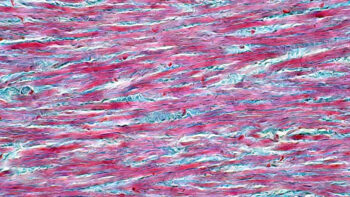
Why Tendons Heal So Poorly and How Researchers Hope to Fix Them
New Oral Nanomedicine Boosts Effectiveness of Cancer Immunotherapies
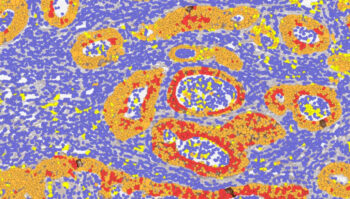
Study Explains How Colorectal Cancer Cells Maintain High Iron Levels
Questions?
As a public institution and an accredited site for animal use, we are open to inquiries, reports of concern, or other communications from within and beyond the U-M. Questions about the care and use of laboratory animals at the University of Michigan should be directed to the Animal Care & Use Office at [email protected].
If you are a member of the media, or have a media inquiry, please email [email protected] or call the Michigan Medicine Department of Communication at (734) 764-2220 and your question will be routed to the appropriate media team member.