
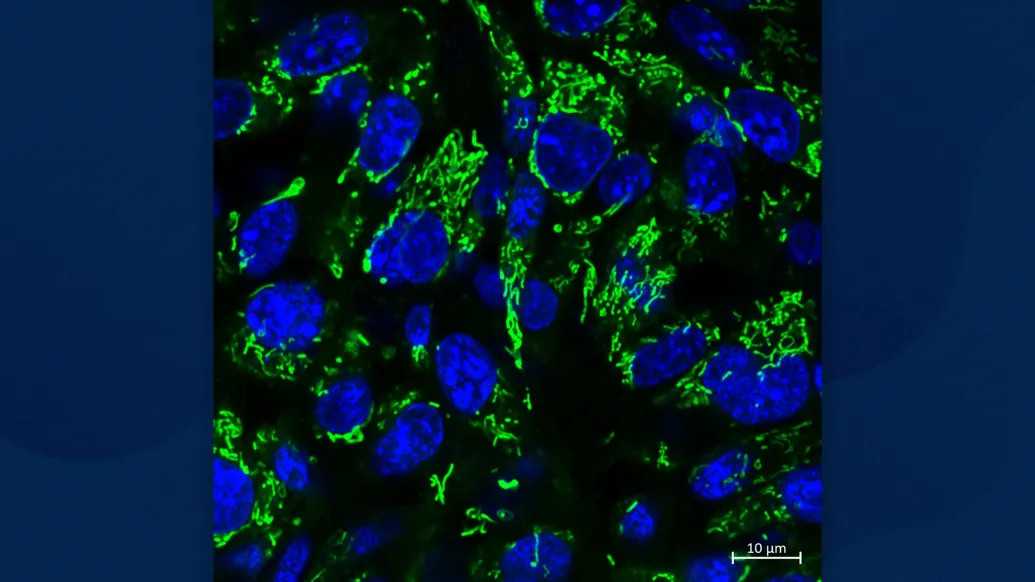
Engineered Nanoparticles Sensitize Gliomas to Radiotherapy
Targeting autophagy, the body’s natural cell recycling system, can cure gliomas in mouse models. Gliomas are a major cause of cancer-related deaths in younger adults. About 7,000 patients harbor a common genetic mutation that affects the enzyme isocitrate dehydrogenase 1. This mutated enzyme, called mIDH1, can produce a molecule that can reprogram both the tumor ...
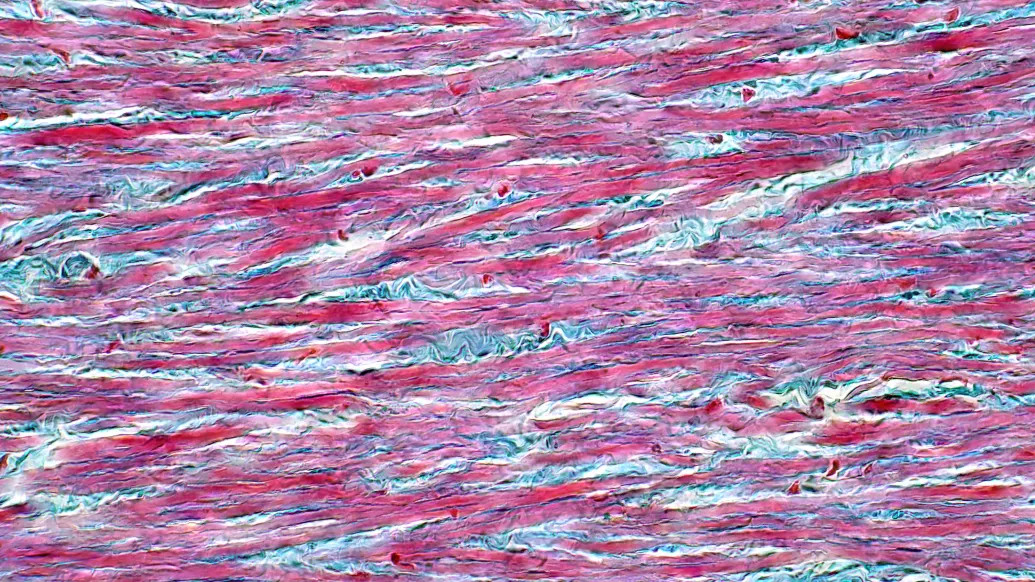
Why Tendons Heal So Poorly and How Researchers Hope to Fix Them
Tiny “microtendons” help researchers study how tendon disease develops. About 30% of adults over age 60 have a rotator cuff tear, making it one of the most common tendon injuries in older adults. But unlike broken bones, tendons rarely heal completely. Add Achilles tendinopathy, tennis elbow, and other tendon injuries, and millions of Americans will ...
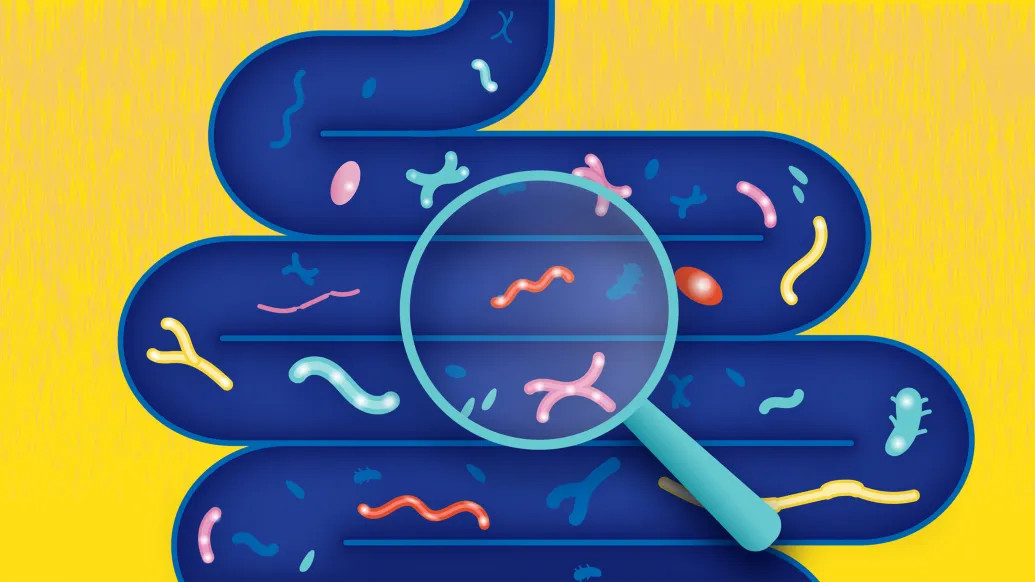
New Oral Nanomedicine Boosts Effectiveness of Cancer Immunotherapies
Microbial metabolite 3,4-dihydroxybenzoic acid, derived from dietary fiber, improves acid influences anti-tumor immunity in mice. Immune checkpoint blockade is a form of cancer treatment that works by releasing the natural brakes in the immune system, allowing T cells to find and destroy cancer cells. Although they have transformed cancer immunotherapy, patients usually have low response ...
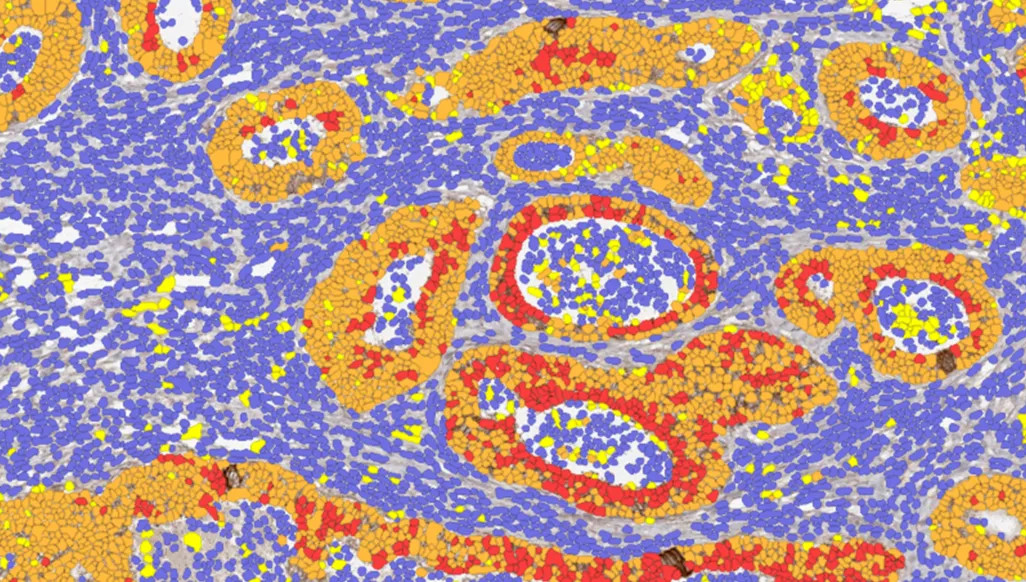
Study Explains How Colorectal Cancer Cells Maintain High Iron Levels
Researchers identify metabolic process that could be a target for drug development. Researchers from the University of Michigan Health Rogel Cancer Center have discovered a key metabolic pathway that allows colorectal cancer cells to accumulate large quantities of iron. Blocking that pathway reduced iron levels and caused the cancer cells to die. Scientists know that ...
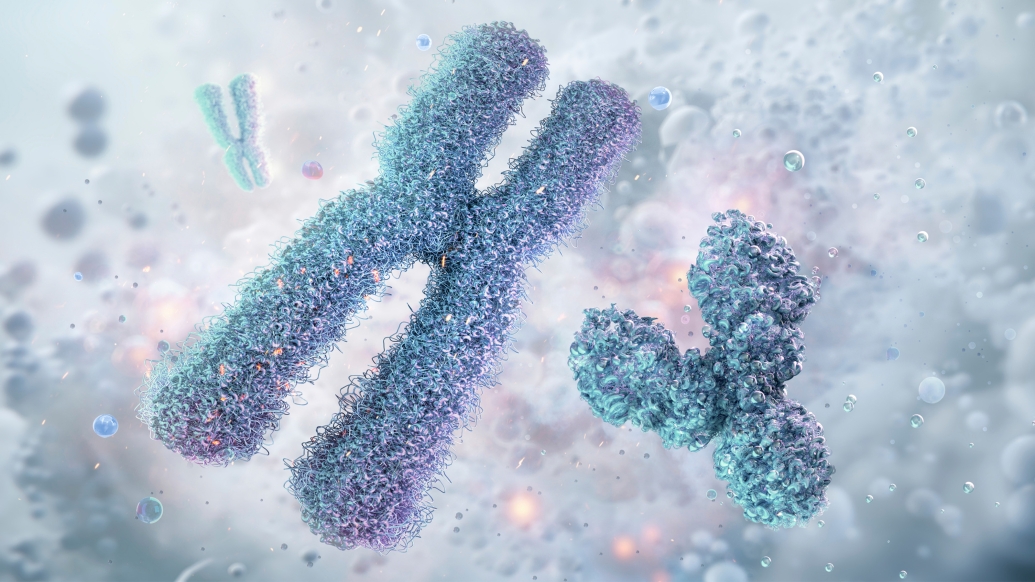
The Y Chromosome is Home to Surprising Jumping Genes
The discovery, made in deer mice, could offer clues for how the Y chromosome defends against decay. The humble Y chromosome may be the smallest chromosome in the mammalian genome (and getting even smaller), but it is mighty: genes on the Y chromosome are critical for fertility in males. In a new study in the ...

New Dual-Target Drug May Help Overcome Immunotherapy Resistance in Pancreatic Cancer
The drug, SH-273, led to long-term tumor reduction in mouse models. Pancreatic ductal adenocarcinoma is one of the deadliest cancer types, with a five-year survival rate of 13%. There are only two treatment regimens available with limited efficacy. Pancreatic cancers do not respond to immunotherapy where the body’s immune system attacks tumor cells. The effectiveness ...
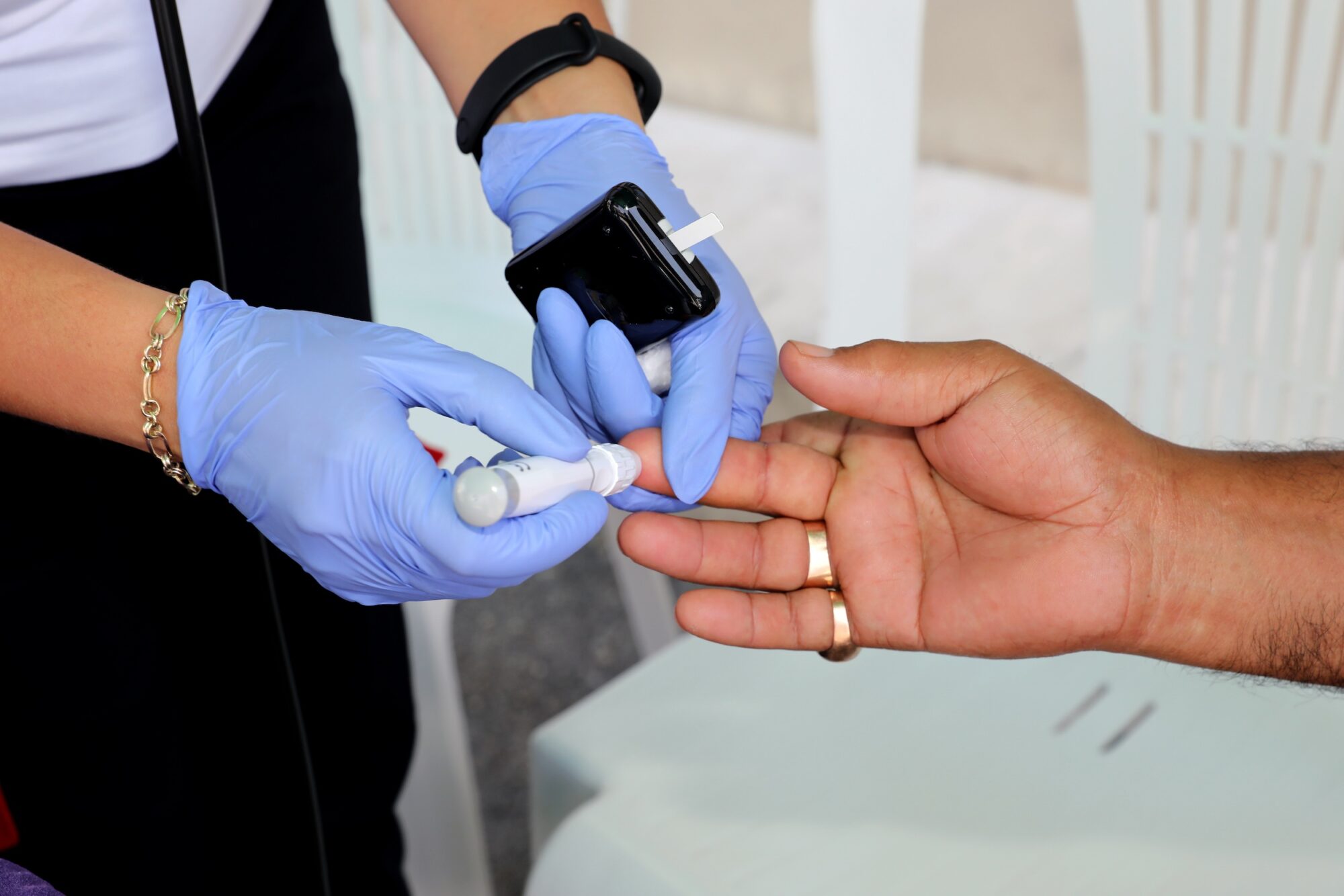
New Hope for Early Diabetes Detection
Researchers use mouse models to pioneer a game-changing approach for predicting type 1 diabetes. In a significant step toward the goal of preventing autoimmune type 1 diabetes, a team led by U-M’s Lonnie Shea, Steven A. Goldstein Collegiate Professor, Biomedical Engineering, has developed a new system that can identify—well before symptoms appear—whether an individual is ...

Gut Hormone FGF15 Changes How Mice Respond to Weight Loss
Weight loss drugs and diet influence amount of lean mass during rapid weight loss. Nearly 40% of the population in the United States develop obesity, which is linked to the development of several diseases, including type 2 diabetes and metabolic liver disease. The rise in obesity is, in part, caused by high-calorie diets and sedentary ...

New Study Hints at the Cause of a Painful Skin Condition—and at a Long-Awaited Potential Treatment
The work clarifies the role of keratin in the skin’s inflammatory response. Imagine a skin condition so painful, people with it are reduced to crawling around their homes to avoid having to walk on thick and painful calluses. This disease, called pachyonychia congenita (PC), is rare but severely impacts quality of life for those with ...

Researchers Discover What May be the Root Cause of Preeclampsia, and How to Fix It
The findings position VGLL3 as a promising novel treatment target for the pregnancy-related condition. Preeclampsia is a life-threatening pregnancy complication that affects roughly one in ten pregnancies worldwide and, in the United States alone, around 5-8% of pregnancies. The condition can lead to severe, long term health consequences for mothers and their babies. Despite its prevalence, ...
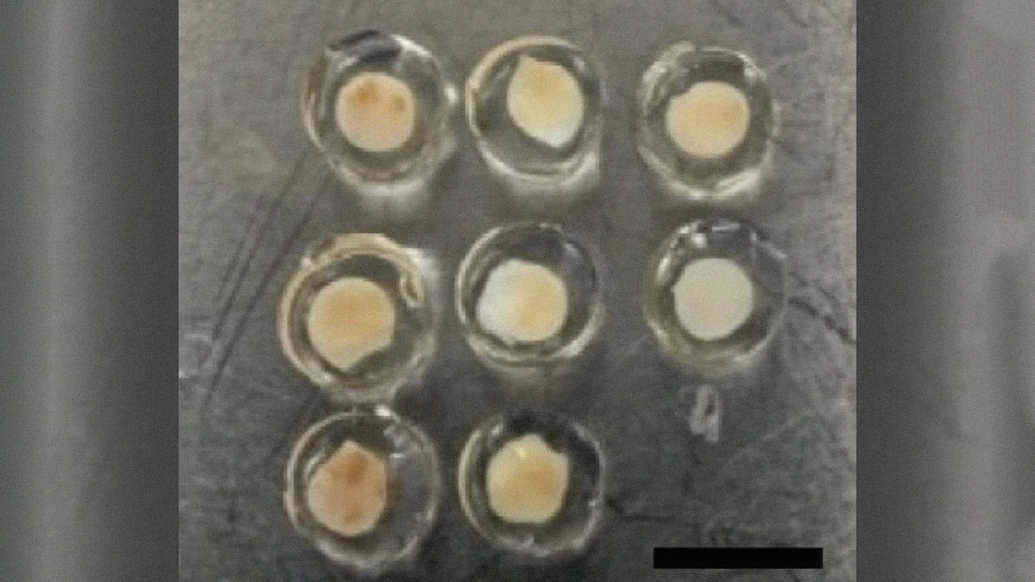
Encapsulated Ovarian Donor Tissue Restores Ovarian Function in Mice
Researchers hope protecting donated ovarian tissue from the immune system could help pediatric cancer survivors have natural hormone cycles. With the aim of restoring female hormone cycles for pediatric cancer survivors, a team of University of Michigan researchers has demonstrated that donated ovarian tissue, hidden from the immune system in a capsule, can produce natural hormone ...
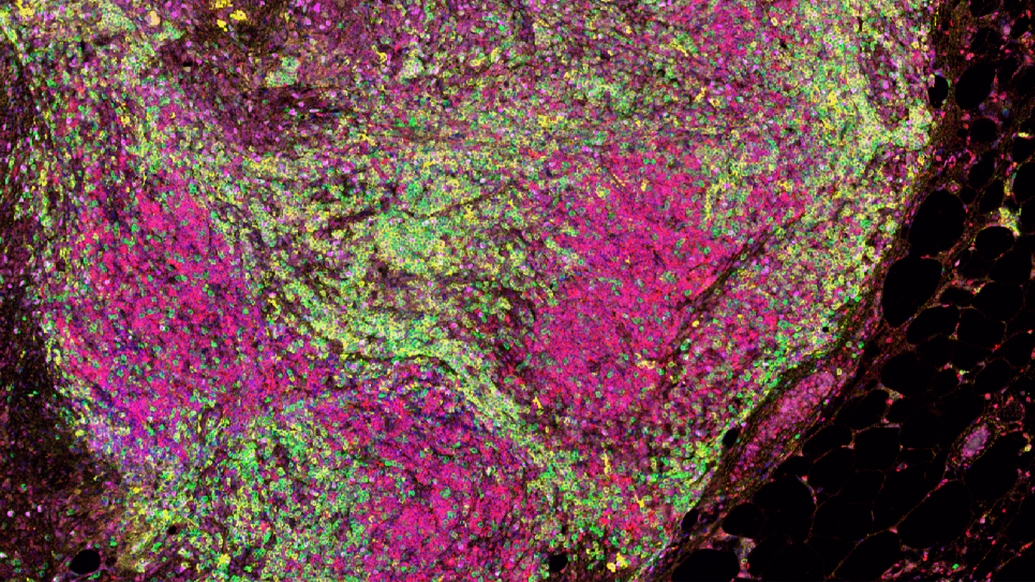
New Mouse Model for Liposarcoma Can Help Uncover New Therapies
An expert answers questions about current treatments and how the new animal model resembles the disease in humans. Soft tissue sarcomas typically develop in the tissues that surround and support the body’s organs. These tissues include muscles, tendons, fat, blood vessels, and nerves. Liposarcoma is the most common type of soft tissue sarcoma, accounting for ...