
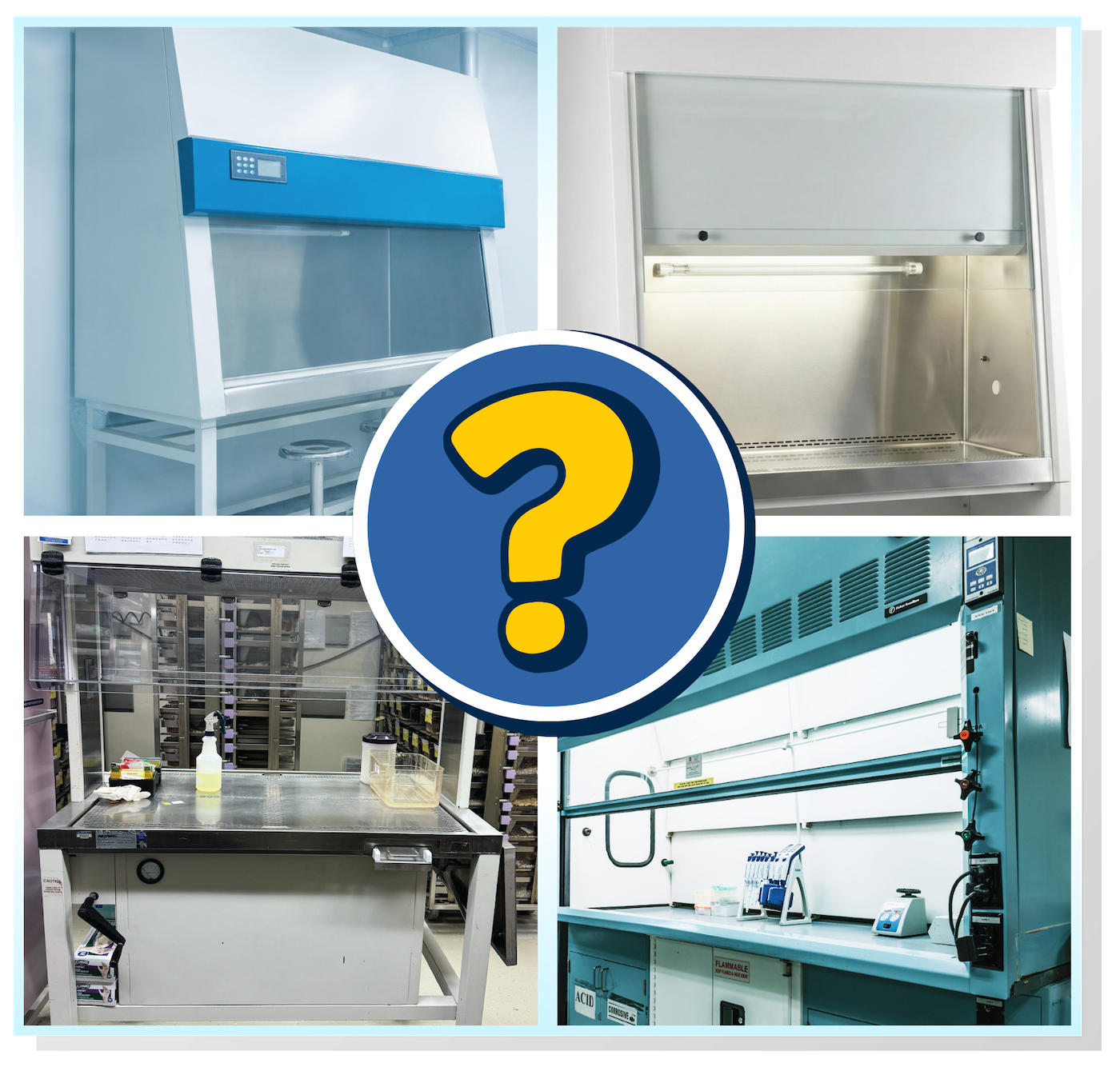
Many research and animal laboratories use containment devices to keep the user separated from the hazards they are working with. These devices are often referred to by many different names including cell culture hood, tissue culture hood, laminar flow hood, PCR hood, clean bench, or biosafety cabinet.
An important thing to note, however, is that not all of these devices perform or provide the same level of protection. The common feature is that the equipment provides laminar airflow for a “clean” work area, but not all equipment provides additional personnel or environmental protection.
Work involving hazardous agents should ALWAYS be conducted in an appropriate containment device in order to protect the worker. It is important to understand the safety features of each device and consider their application to your research.
Different Types of Laboratory Hoods
A Biological Safety Cabinet (BSC) is a valuable supplement to good sterile technique and a necessary containment device when working with potentially infectious materials. All BSCs use high efficiency particulate air (HEPA) filters to treat intake and exhaust air.
These filtered cabinets are primarily designed to protect against exposure to particulates or aerosols. 70% of the air in most BSCs is recirculated back into the lab through its exhaust HEPA filter. This purifies the air of potentially infectious aerosols and animal dander or bedding but does not reduce exposure to chemicals or gases including waste anesthetic gases such as isoflurane.
For more information, please refer to the Biological Safety Cabinets page on the U-M’s Department of Environment, Health & Safety website.
A Laminar Flow Hood (LFH) is not a Biological Safety Cabinet. These devices do NOT provide any protection to
the worker. Rather, they are designed to provide a sterile environment to protect the product.
Air potentially contaminated with infectious agents may be blown toward the worker. LFHs should only be used for work with non-infectious materials such as media preparation.
They should NEVER be used with potentially infectious materials, toxins, volatile chemicals, or materials that may cause hypersensitivity to the worker such as animal dander.
Animal transfer and cage changing stations are portable downdraft-filtered laminar flow benches (clean benches) that have been specifically modified for small rodent handling and cage changing.
These stations provide improved laboratory animal allergen control from dust and dander while performing animal husbandry activities.
The units are not designated as a Biosafety Cabinet and should NOT be used for work with potentially infectious materials, toxins, or volatile chemicals.
A fume hood is a ventilated, enclosed workspace intended to capture, contain, and exhaust harmful or dangerous chemical fumes, vapors, and particulate matter generated by procedures conducted within the hood.
No HEPA filtration of either the intake or exhaust air takes place. Instead, the air is exhausted outside the laboratory.
This makes a fume hood most suitable for chemical use and other work where sterility is NOT a concern. Fume hoods should be utilized for hazardous drug or chemical preparation and use with waste anesthetic gases such as isoflurane.
For additional details, review the Fume Hood Use page on the U-M’s Department of Environment, Health & Safety website.
A Visual Guide to Laboratory Hoods
Biological Safety Cabinet (BSC)
Equipment Photo
Brief Description
Use Case
Precautions
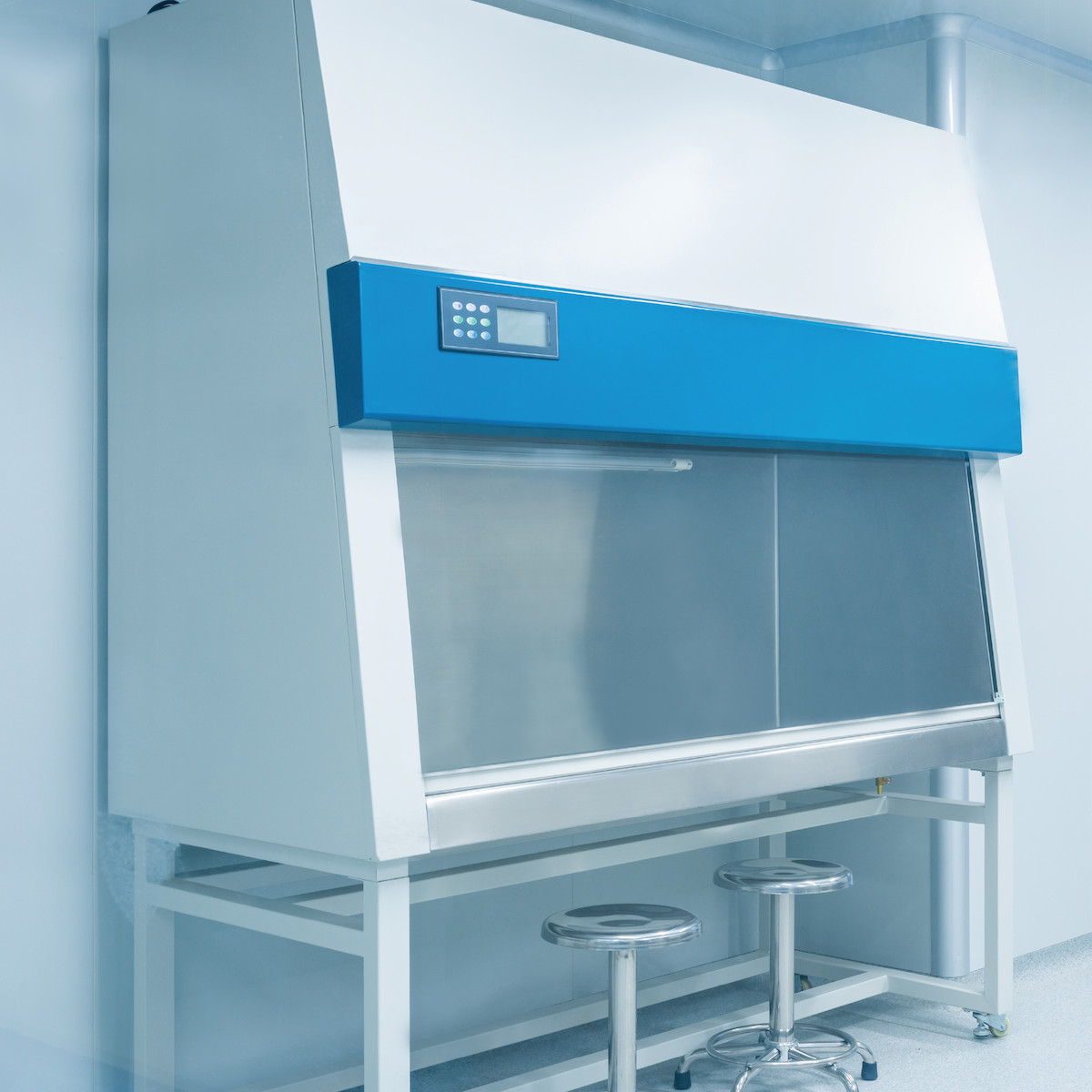
Primarily designed to protect against exposure to particulates and aerosols from biological agents.
Provides product, personnel, and environmental protection.
Should only be used for work with infectious agents or for the capture of nuisance dust and allergens from bulk operations such as animal cage changing or dumping.
Never use with:
- Volatile or flammable
chemicals - Waste anesthetic gases
including isoflurane
Laminar Flow Hood (Clean Bench)
Equipment Photo
Brief Description
Use Case
Precautions
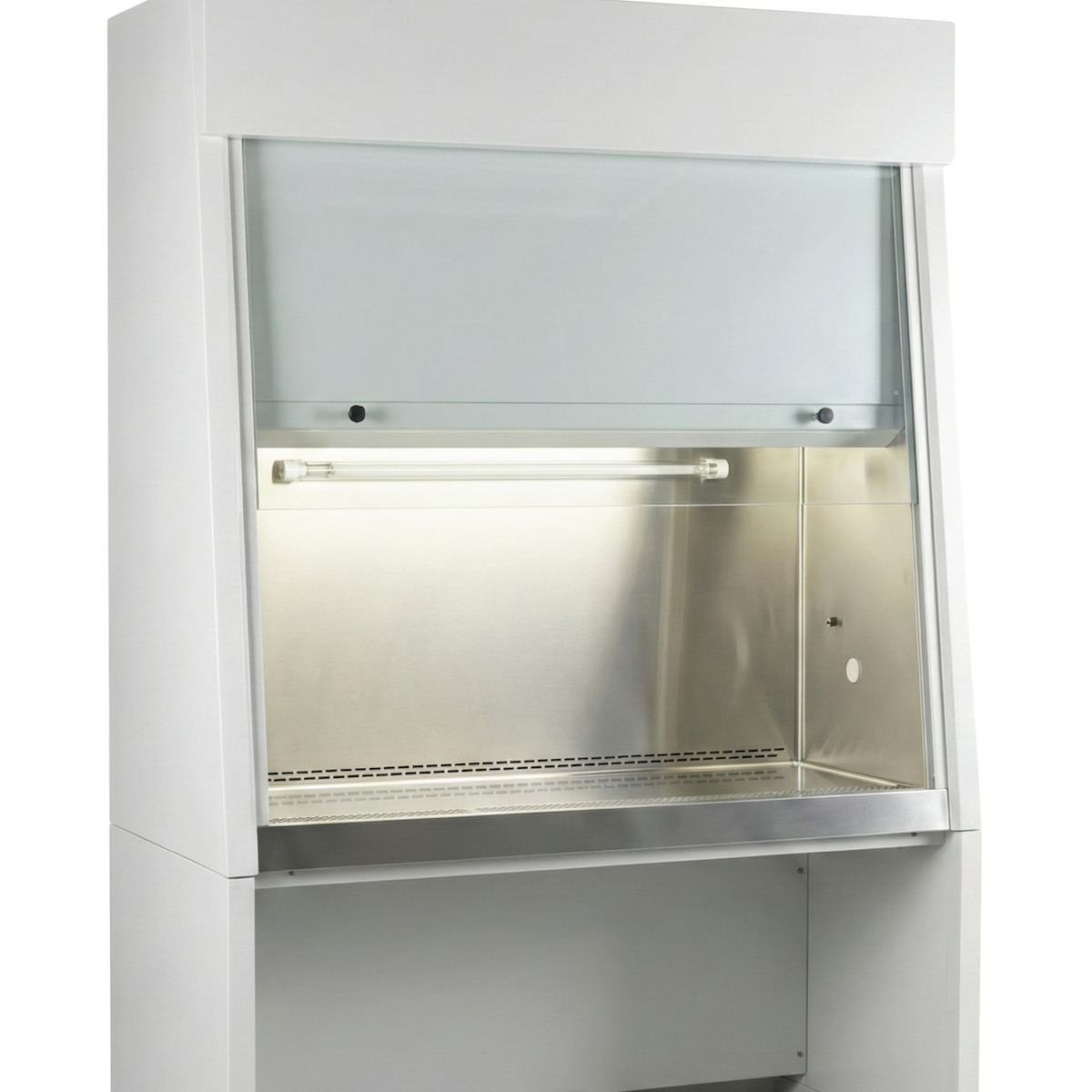
Primarily designed to provide a sterile work environment.
Does not provide any protection to personnel or environment.
Should only be used for work with non-infectious materials, such as media preparation.
Never use with:
- Potentially infectious
materials - Volatile or flammable
chemicals - Waste anesthetic gases
including isoflurane
Animal Transfer Station
Equipment Photo
Brief Description
Use Case
Precautions
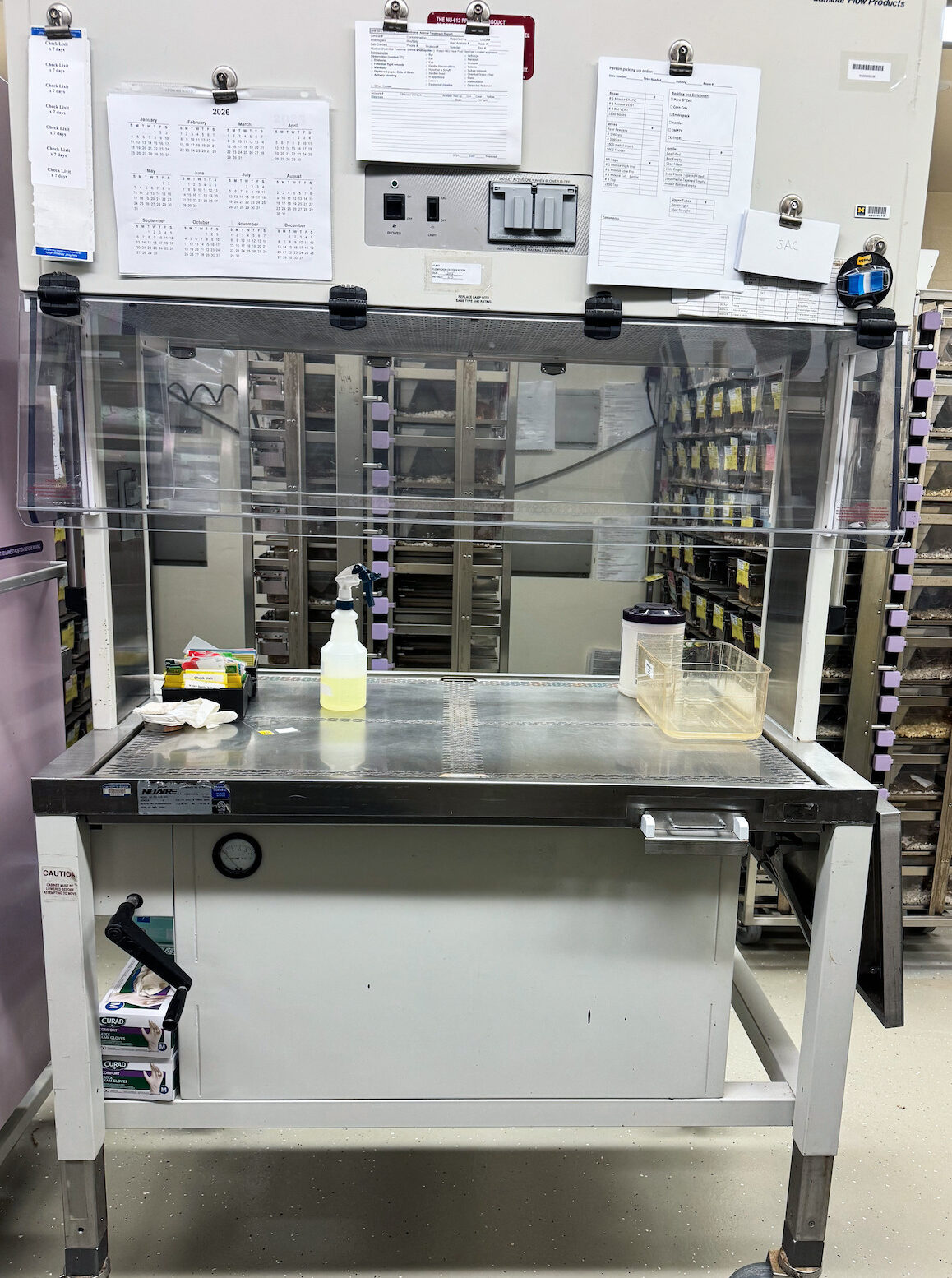
Primarily designed to provide animal allergen control while performing husbandry operations including cage changing or animal transfer.
Should only be used for husbandry operations with healthy animals that have not been infected with biological agents or administered hazardous drugs.
Never use with:
- Potentially infectious
materials - Volatile or flammable
chemicals - Waste anesthetic gases
including isoflurane
Chemical Fume Hood
Equipment Photo
Brief Description
Use Case
Precautions
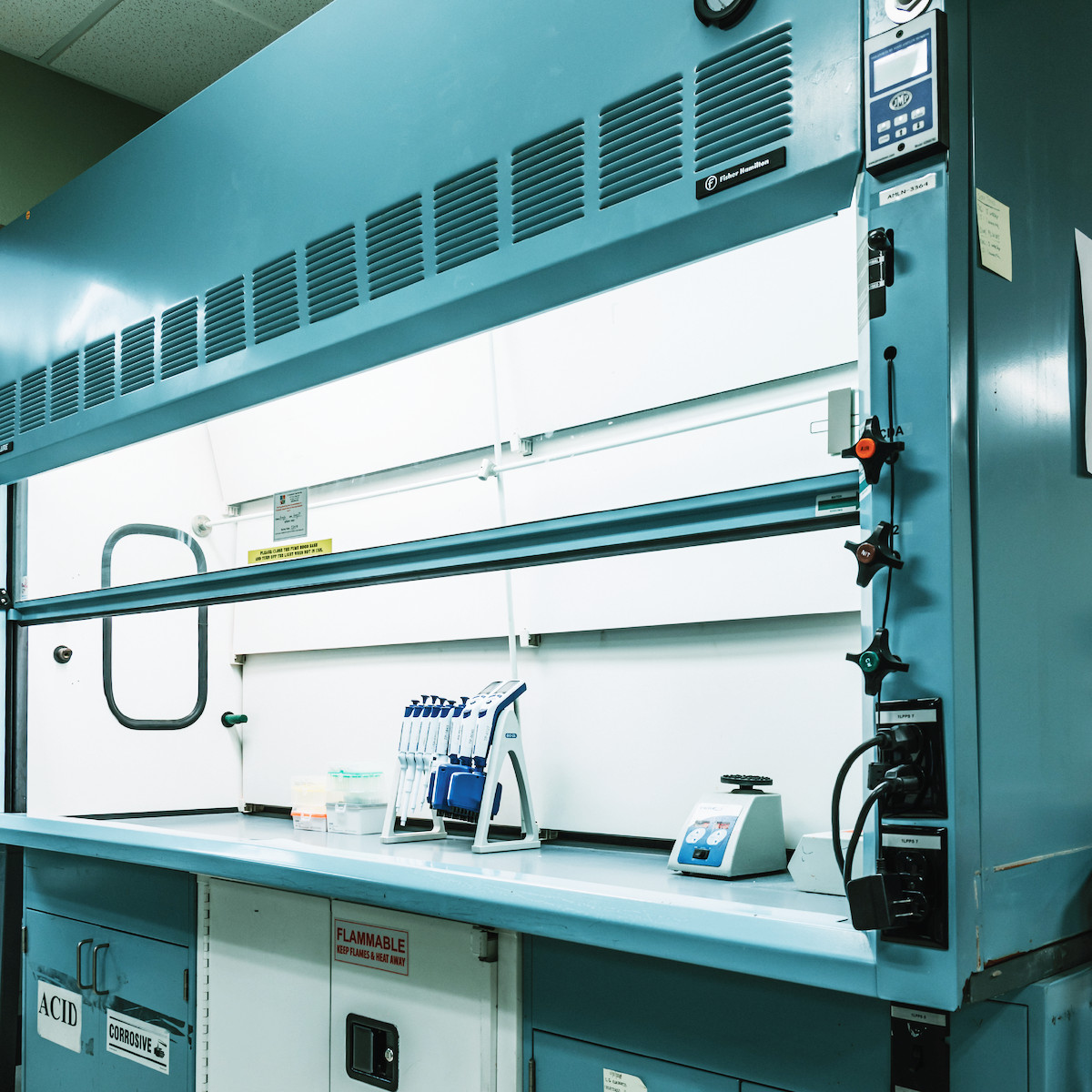
Ventilated, enclosed work space intended to capture, contain, and exhaust harmful or dangerous chemical fumes, vapors, and particulate matter outside the laboratory.
The most suitable choice for chemical use, including preparation of hazardous drugs and volatile anesthetic gases used for animal anesthesia and/or euthanasia.
Do not use where sterility of the product is a concern.
Questions?
For more information about research and clinical safety, please visit the U-M’s Department of Environment, Health & Safety (EHS) website at ehs.umich.edu.
Questions or concerns about animal use and occupational health and safety should be directed to EHS at [email protected] or (734) 647-1143.